
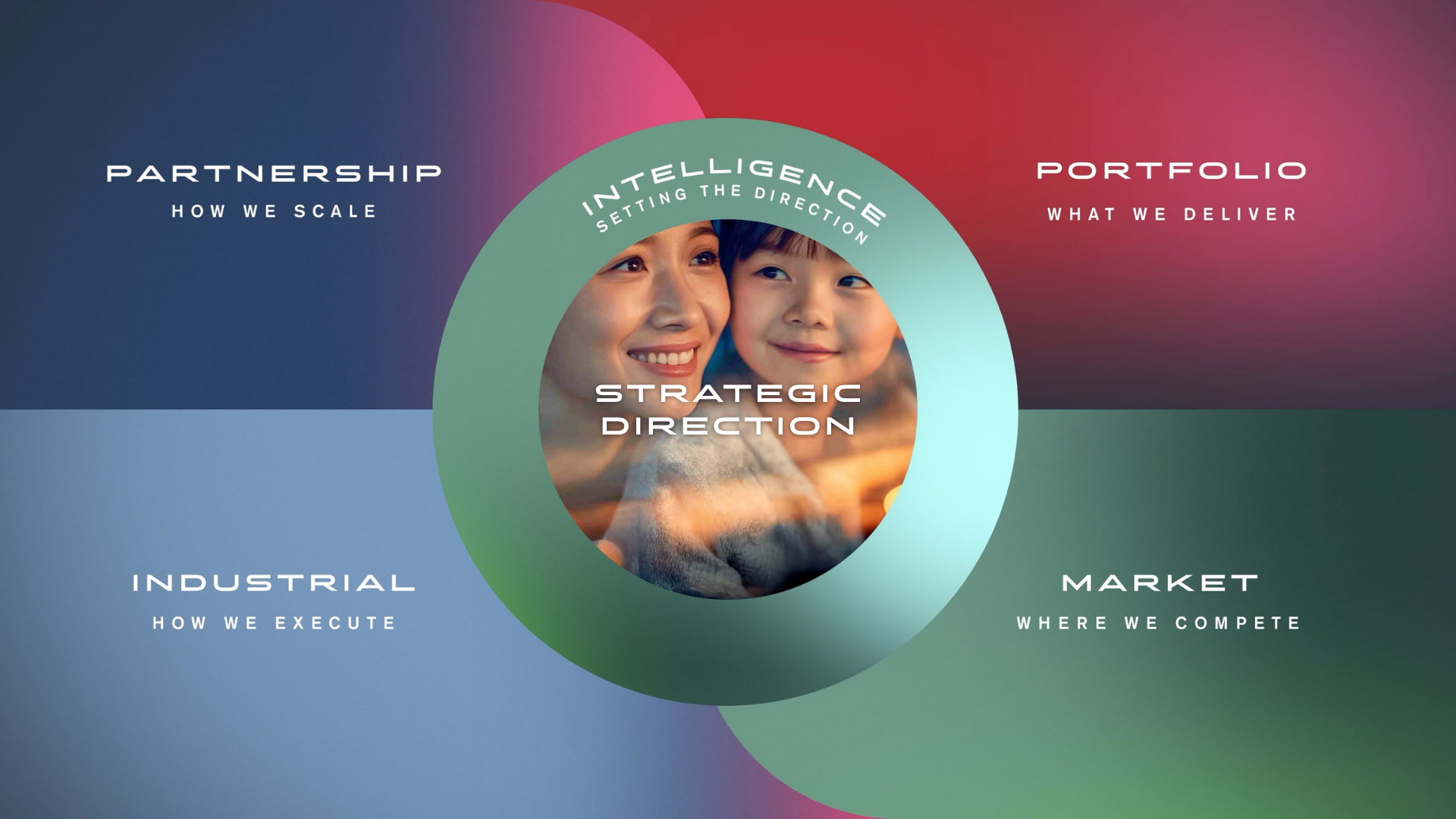
Nissan has outlined a new long-term direction that connects artificial intelligence, vehicle software and electrification under one broader strategy. Announced in mid-April 2026, the plan is called “Mobility Intelligence for Everyday Life” and is intended to guide Nissan’s product portfolio, technology development and industrial footprint.
The announcement is significant because Nissan is not presenting electrification as a single powertrain decision. Instead, the company says it will offer a wider range of technologies for different markets and customer needs, while using software and artificial intelligence to create a more consistent experience across its future vehicles.
Nissan’s official announcement describes the strategy as customer-focused, with three central markets—Japan, the United States and China—taking distinct roles in the company’s global plan. The company also says it intends to simplify its global portfolio from 56 models to 45, concentrating resources on vehicles with clearer purposes and stronger potential for scale.
AI becomes a central layer of Nissan’s future vehicles
The technology element of the plan is built around Nissan AI-Defined Vehicles, or AIDV. Nissan says these vehicles will combine two areas of development: AI-Drive technology, which is designed to support vehicle control and driving assistance, and AI-Partner technology, which is intended to make the vehicle more responsive to everyday requests and situations.
Nissan says it aims to introduce AI-Drive technology across 90 percent of its lineup over the long term. That is a company target rather than a promise attached to a specific current model. The announcement does not provide a single global launch date for the full AIDV concept, and the scope of functions will depend on the vehicle, market and applicable regulations.
The company’s official vision page places the software strategy on top of a software-defined vehicle foundation. Nissan says the approach should allow future vehicles to learn from context, adapt in real time and respond more naturally to drivers and passengers. In practical terms, that could make software updates, driver assistance and in-car services more important differentiators between models.
Electrification with more than one route
Nissan is also positioning electrification as a portfolio of solutions rather than a single global formula. The company highlights its e-POWER system, in which the wheels are driven by an electric motor while a combustion engine generates electricity. Nissan describes the technology as a bridge toward fully electric vehicles because it provides electric-motor drive without requiring the driver to charge the vehicle.
The strategy also refers to a new hybrid-electric system for future frame-based vehicles, as well as plug-in hybrid and range-extender solutions that Nissan says could be developed through partnerships. These statements describe the direction of the portfolio, not confirmed specifications or availability for individual markets.
This multi-technology approach reflects the uneven pace of charging infrastructure, regulation and consumer adoption around the world. Nissan’s strategy assigns Japan a role as a proving ground for advanced technologies, while the United States will remain focused on larger vehicles and local manufacturing. China, meanwhile, is described as a source of development speed, cost efficiency and potential export opportunities for new-energy vehicles.
The Juke EV is the clearest battery-electric signal
Among the vehicles shown with the new strategy, the Juke EV is the clearest direct signal of Nissan’s battery-electric ambitions in Europe. Nissan describes it as a Europe-focused core model combining full electrification with intelligent features. The announcement does not state its final range, price, battery capacity or full market launch schedule, so those details should not be inferred from the strategy presentation.
Nissan also presented a new X-Trail and Rogue Hybrid e-POWER, alongside the Juke EV, Xterra and Skyline. The group illustrates how Nissan intends to use different vehicle types and powertrain choices across regional markets. The company is separating the role of each model into categories such as Core, Heartbeat, Growth and Partner, with the aim of reducing overlap and making investment priorities clearer.
Fewer vehicle families, greater scale
Behind the product announcements is a proposed industrial model based on shared product families. Nissan says three product families will account for more than 80 percent of global volume, while increasing volume per model by more than 30 percent. The stated goal is to share vehicle platforms, powertrains and software more effectively, reducing duplication while accelerating technology deployment.
That manufacturing strategy matters for electric mobility because battery systems, electric motors and vehicle software require significant development investment. A more common architecture could help Nissan spread those costs across multiple models, but the benefits will depend on execution, supplier readiness and demand in each market.
The company’s vision therefore reads as a roadmap rather than a conventional model launch. It sets out the technologies Nissan wants to scale, the markets it expects to prioritize and the organizational changes intended to support them. The most concrete battery-electric element currently presented is the Juke EV, while many of the broader AI and electrification objectives remain future commitments.
For drivers and the wider electric-mobility market, the announcement is worth watching because it shows Nissan trying to connect three normally separate decisions: what vehicles it builds, how those vehicles are powered and how software will shape their use. The success of the plan will depend less on the ambition of its targets than on how quickly Nissan turns them into clearly specified, available vehicles for individual markets.