
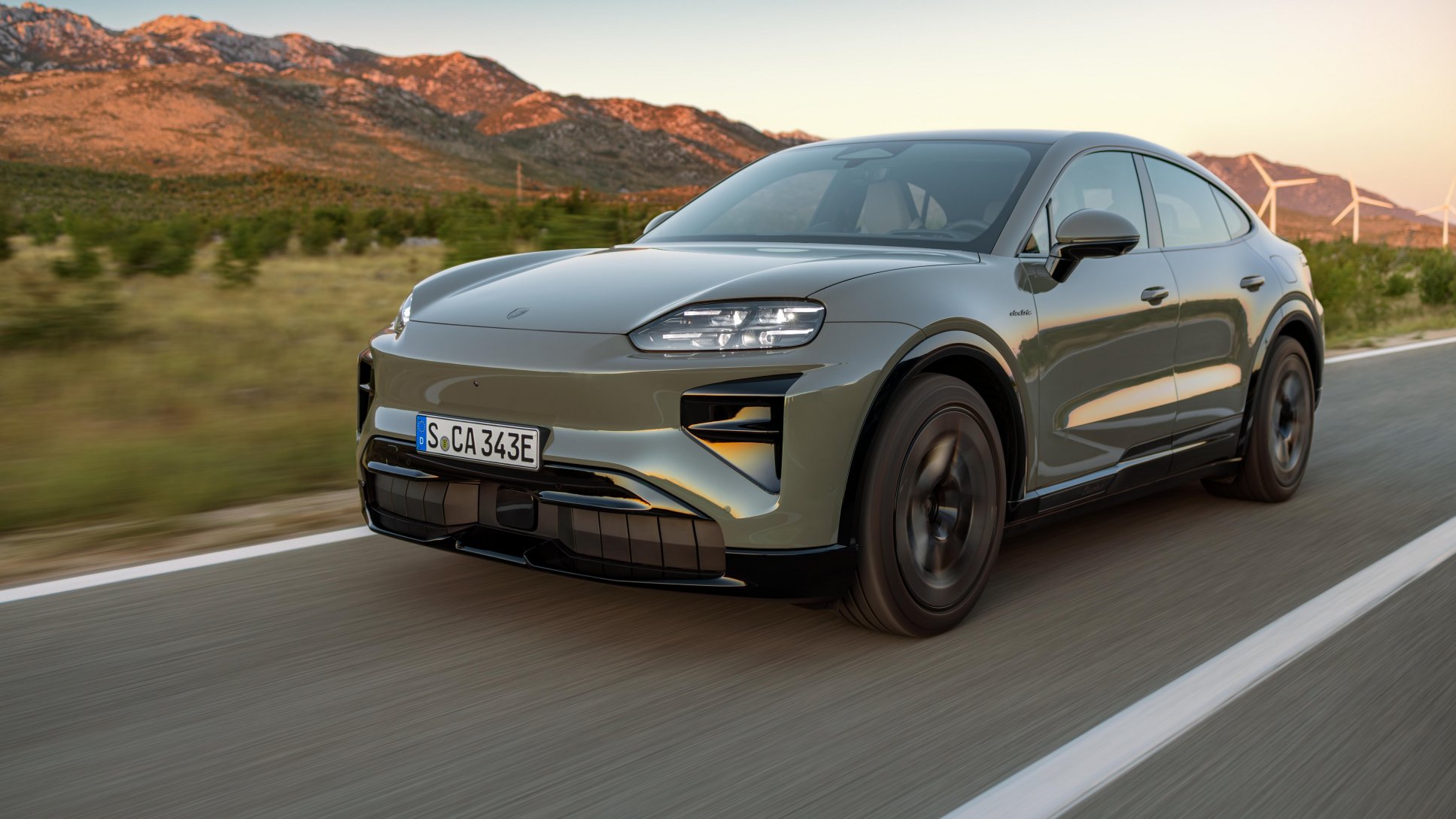
Porsche has reported 122,306 vehicle deliveries worldwide for the first half of 2026, down 16% from 146,391 in the same period last year. The company also confirmed that customer deliveries of the all-electric Cayenne began at the end of June, placing the new model within a broader portfolio that is still balancing battery-electric, hybrid and combustion-powered vehicles.
The figures come from Porsche’s official first-half delivery report, published on July 9. They are a manufacturer-reported result rather than an independent assessment of the wider car market, but the release provides a clear view of how Porsche’s electrification strategy is developing across its model lines and regions.
Electric demand is visible, but uneven
Porsche’s strongest model line was the Cayenne, with 38,141 deliveries, although that represented a 9% decline from the first half of 2025. The company says the Cayenne Electric has been introduced gradually since the end of June and that customers are now receiving the first vehicles. Because the handover period began late in the reporting window, the release does not present a separate first-half delivery total for the electric Cayenne.
The Macan provides the clearest split between Porsche’s electric and combustion vehicles. Porsche delivered 35,315 Macan models in total. Of those, 15,620 were Macan Electric vehicles, while 19,695 were combustion-engined versions. The company says the combustion Macan will remain in production until the end of July 2026, continuing the parallel availability of both powertrain types in most markets outside the European Union.
The Macan line was down 22% overall compared with the first half of 2025. Porsche attributes the decline partly to the strong performance of the Macan Electric in the previous year and to a slower-than-expected ramp-up of electromobility. The company also points to the expiration of electric and hybrid vehicle incentives in the United States as a factor affecting demand.
Regional results add context
North America remained Porsche’s largest sales region, with 37,712 vehicles delivered in the first half, down 13% year on year. Porsche links that decline, among other factors, to the expiration of US tax incentives for electric and hybrid vehicles and to the end of production of the combustion-engined 718.
Deliveries in Germany fell 6% to 14,938 vehicles. Europe excluding Germany recorded 30,278 deliveries, down 14%, while China fell 32% to 14,501 vehicles. Porsche says the Chinese market remains challenging and that its continued focus on value-oriented sales also affected the result. The Overseas and Emerging Markets region delivered 24,877 vehicles, a decline of 18%.
The company’s electric portfolio therefore produced a mixed picture. Porsche delivered 15,620 Macan Electric vehicles and began handing over the Cayenne Electric, but the Taycan recorded 6,219 deliveries, down 25% from the same period last year. Porsche’s report does not turn those figures into a single global battery-electric share, so the available data is best read model by model rather than as a complete measure of the company’s electric transition.
A portfolio in transition
Porsche’s overall result was also shaped by products that are not electric. The 718 Boxster and 718 Cayman recorded 2,789 deliveries, down 73%, after production of the model line ended in October 2025. At the other end of the range, the 911 remained strong, with 30,534 deliveries and a 19% increase year on year. Porsche said this was supported by sustained demand and the phased introduction of new derivatives.
That contrast matters for interpreting the headline decline. The first-half result reflects product changeovers, the end of production for some combustion models, regional incentive changes and the timing of new electric launches. It is not evidence that every Porsche electric model is moving in the same direction, nor does it establish a forecast for the full year.
Porsche’s sales chief Matthias Becker said the company was below the previous year’s level but in line with expectations. He also said Cayenne Electric deliveries had been under way since the end of June and that the company was continuing to align its offering with customer demand. Porsche plans to present additional details of its Strategy 2035 at a Capital Markets Day in the autumn.
For now, the verified takeaway is narrower but significant: Porsche’s first-half deliveries declined, while the Cayenne Electric entered customer service and the Macan Electric accounted for 15,620 deliveries. The figures show an automaker managing an active transition, with battery-electric launches arriving alongside changing demand, regional policy conditions and a continuing combustion range.