
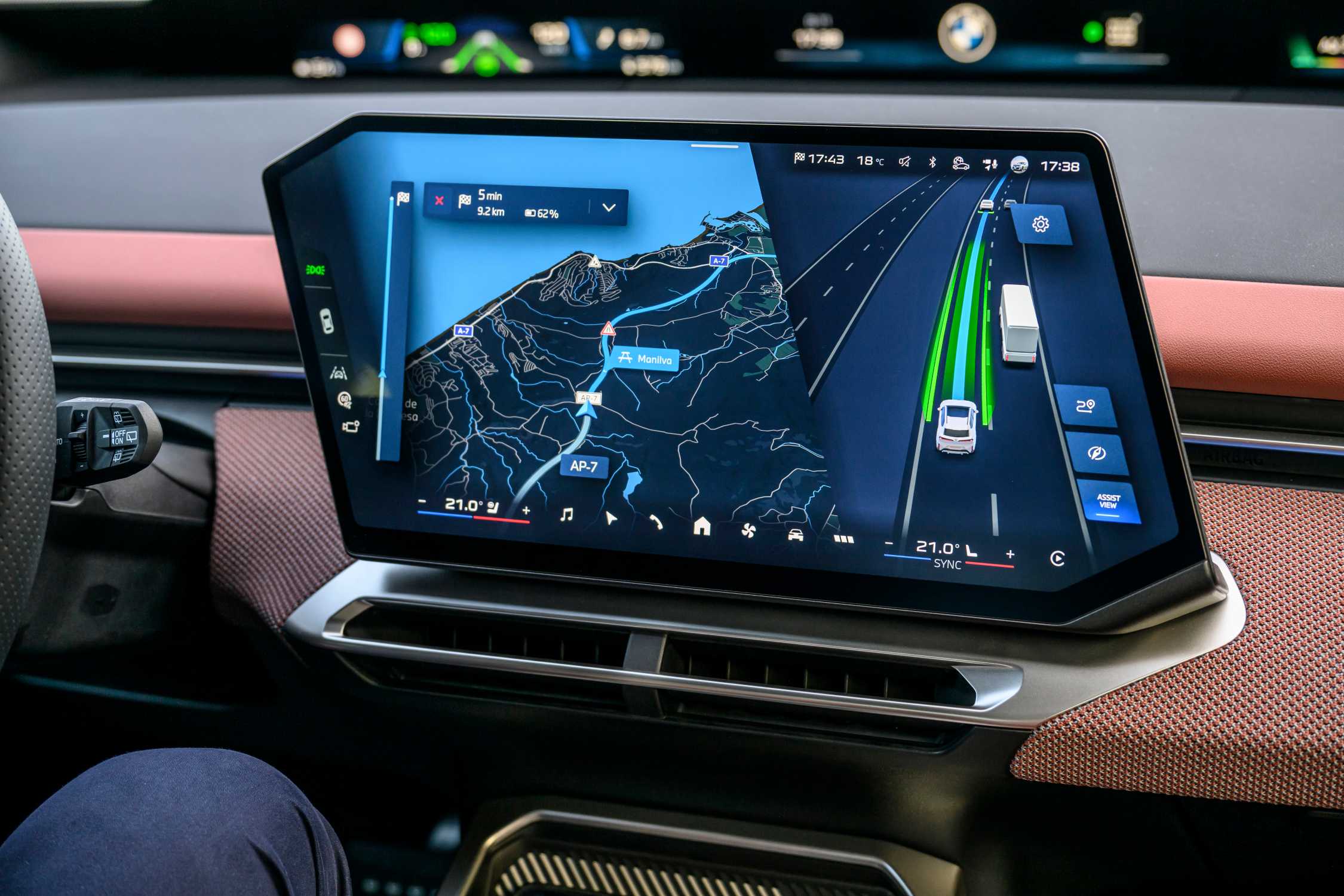
BMW Group announced on September 7, 2026, that it is expanding the collection of images from eligible customer vehicles in the European Union. The company says the data will support continuous product improvement and road safety, with a focus on driver-assistance systems and partially automated driving functions.
The program applies to new-generation vehicles equipped with the sensors and processing architecture required to record video of their surroundings. BMW says collection has been possible since April 2026. The vehicles covered include the new BMW iX3, BMW i3, X5 and 7 Series, along with later new models and model updates that meet the technical requirements.
The recordings are linked to specific driving events
BMW describes the system as event-triggered and limited to relevant driving situations rather than routine recording of every journey. Examples include avoiding a collision while changing lanes on a motorway, activation of emergency braking, heavy manual braking and a sudden evasive manoeuvre.
From mid-September, video connected to an event may be collected in unaltered form for a maximum of 120 seconds per event. The material can include footage from exterior cameras, environmental sensor data and driving-dynamics information such as speed, direction and steering angle. BMW says it will use the unaltered image data to develop these functions through machine learning.
For an eligible owner, the practical change is that a safety-relevant event may contribute data to BMW’s development process if consent has been given. The announcement does not describe a general transfer of every journey. It sets out a collection process tied to defined situations and vehicles with the necessary hardware, making unusual road scenarios the focus of the data gathering.
That approach creates a clear trade-off. Restricting collection to relevant events limits the scope of the recordings, while capturing the surrounding circumstances of an incident can give BMW material for developing assistance and partial-automation functions. The announcement does not establish how the collected material will affect a specific vehicle or when any resulting improvements might become available.
Consent and privacy safeguards remain part of the rollout
Collection is subject to customer consent and applicable data-protection rules in EU member states. BMW says privacy protection is built into the design, with the vehicle identification number deleted immediately after transmission to the company’s main IT system.
BMW also states that its systems do not identify individual road users. When authorised BMW employees need access to individual recordings for development, the faces and licence plates of other road users are masked before viewing where technically possible. These safeguards govern how recordings are handled, while consent determines whether an eligible vehicle participates in the first place.
The immediate expansion therefore concerns selected BMW vehicles with the required sensors and processing architecture, not all customer cars or all driving footage. Its broader effect on future driver assistance and partially automated driving will depend on how BMW uses the event-related recordings in subsequent development. For now, the program expands the data available for machine-learning work while retaining event limits, consent requirements and the stated privacy measures.